As a homeowner in Texas, understanding plumbing regulations is essential for maintaining your property and ensuring safety. From installation to repairs, these laws guide how plumbing systems should be designed and maintained. This article covers the top five plumbing regulations every homeowner in Texas should know.
Understanding Plumbing Codes in Texas
Texas plumbing codes are designed to protect public health and safety. They ensure that plumbing systems are installed correctly and function efficiently. Familiarizing yourself with these codes can help you avoid costly mistakes and ensure compliance when making upgrades or repairs.
1. Permits and Inspections
Whenever you undertake significant plumbing work, such as installing new pipes or fixtures, you must obtain the appropriate permits. This process typically involves submitting plans to your local building department and paying a fee. Inspections are then conducted to ensure that the work complies with local codes.
- Permits are required for major plumbing installations.
- Inspections ensure the work meets safety standards.
- Failure to obtain permits can lead to fines and issues during property sales.
Many homeowners often overlook the importance of residential plumbing services in Texas that include obtaining permits. Working with a licensed plumber can simplify this process and ensure compliance.
2. Backflow Prevention
Backflow prevention is crucial in protecting your drinking water supply. Texas law mandates that certain plumbing systems must include backflow prevention devices to prevent contaminated water from flowing back into the potable water supply. This is particularly important in areas where irrigation systems or fire suppression systems are present.
Homeowners should regularly check these devices and ensure they are functioning properly. If you have questions about your system, consider consulting with a local expert in leak detection and repair in Texas.
3. Water Heater Regulations
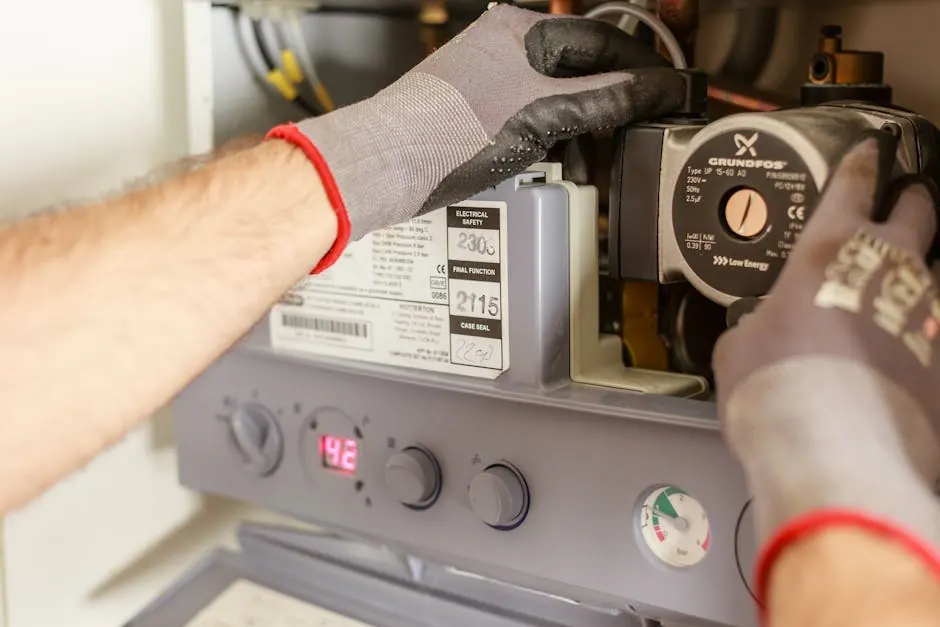
Water heaters must meet specific regulations regarding installation and maintenance. In Texas, water heaters must be equipped with temperature and pressure relief valves to prevent overheating and excessive pressure buildup. Additionally, they must be installed in a way that complies with the manufacturer's guidelines and local codes.
- Installations must include safety features like relief valves.
- Regular maintenance is required for optimal performance.
- Improper installation can lead to safety hazards.
Understanding these Texas water heater services can help you maintain your system effectively.
4. Pipe Material Standards
Texas plumbing regulations specify acceptable materials for pipes used in residential plumbing. Common materials include copper, PVC, and PEX. Each material has its own advantages and disadvantages, and local codes may dictate which materials are suitable for specific applications.
Using non-compliant materials can lead to plumbing failures and costly repairs. Homeowners should consult with a plumbing professional to ensure they use the correct materials in their systems.
5. Fixture Requirements
Plumbing fixtures, such as sinks, toilets, and showers, must meet certain standards for water efficiency and safety. Texas law requires that fixtures be certified to meet the standards set by the American Society of Mechanical Engineers (ASME). This ensures that they are safe to use and conserve water.
When upgrading fixtures, homeowners should look for the Texas toilet repair services that comply with these regulations, ensuring efficiency and safety in their homes.
Common Mistakes to Avoid
Many homeowners make mistakes when it comes to plumbing regulations. Here are some common pitfalls to watch out for:
- Not obtaining necessary permits before starting work.
- Using non-compliant materials for repairs or installations.
- Overlooking backflow prevention requirements.
By staying informed and working with professionals, you can avoid these issues and ensure your plumbing system is compliant.
When to Call a Professional
If you encounter plumbing issues that seem beyond your expertise, it's wise to call a professional. David Leak Detection tx specializes in a wide range of plumbing services, ensuring compliance with local regulations and codes. Whether you need help with installations, repairs, or inspections, our team is ready to assist you.
Frequently Asked Questions
Texas plumbing regulations cover a range of topics, including permits, backflow prevention, and fixture requirements. These laws ensure that plumbing systems are safe and efficient.
Plumbing codes affect your home by dictating how plumbing systems should be installed and maintained. Compliance with these codes is essential for safety and property value.
Yes, Texas homeowners must adhere to state plumbing laws that govern everything from installation practices to material standards. Understanding these regulations is crucial for any home renovation.